
Meek Mill Can’t Break Free from His Digital Trail
MUSIC / CULTURE / COMMUNITY
REAL CONVERSATIONS
MOVE CULTURE FORWARD
Apr 29, 2026, 12:11 AM
STAFF WRITER
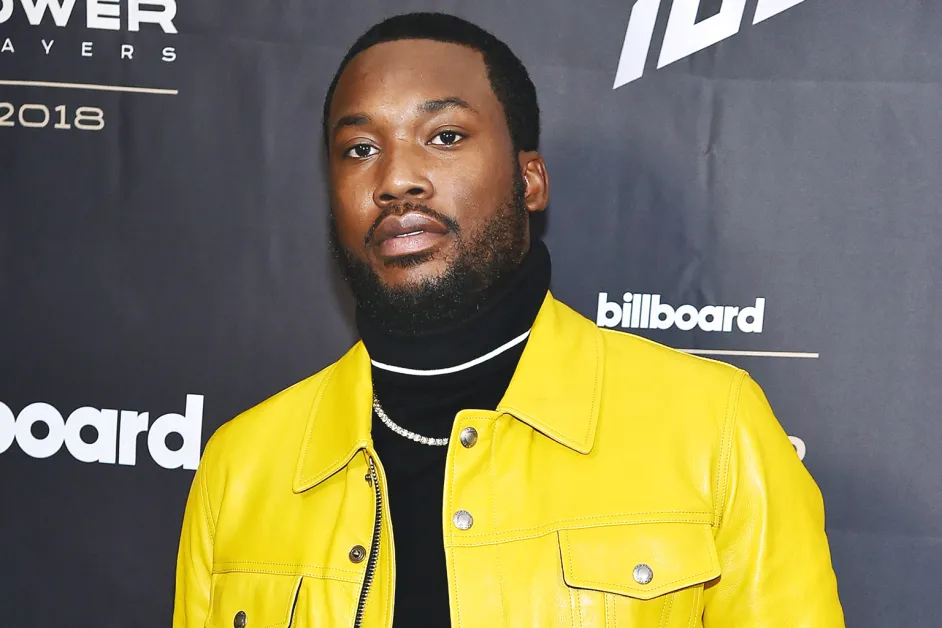
Meek Mill continues to insist that outside forces are actively working to tarnish his name. Yet time and again, his own posts and impulsive reactions online do more to define the public’s view of him than any supposed smear effort ever could.
The moment news broke about the tragic death of Celeste Rivas Hernandez, the Philadelphia rapper—never known for timing or restraint—fired off a tone-deaf tweet essentially saying he wished he had that kind of attention for his upcoming album rollout. “I need his promo… Who do I call?” The bluntness that once made him feel like one of the most genuine voices out of Philly is the very thing that repeatedly sabotages him on social media. His reaction to the D4vd situation perfectly illustrates why this particular image of him refuses to fade. It’s the type of comment that only gains traction in the most toxic corners of the internet.
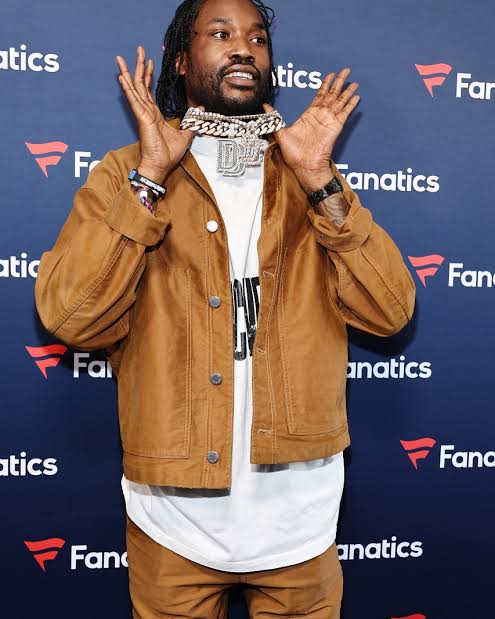
This goes beyond a single regrettable post. It captures the core reason Meek struggles to move past the reputation he’s built for himself. Adding fuel to the fire, it echoes recent remarks from Charlamagne Tha God, who pointed out that the rapper never quite recovered from the “Twitter fingers” label Drake pinned on him during their 2015 beef on “Back To Back.” For Meek, though, it wasn’t one isolated incident that locked in this perception. It was a long-running pattern of behavior stretching across more than a decade. Even though many fans eventually showed understanding around his past struggles with substance issues, Meek has repeatedly demonstrated—whether deliberately or not—that social media remains his greatest liability. The D4vd tweet stands as a clear example. With wild conspiracy theories already swirling around Celeste’s death, a figure with Meek’s platform should have known better than to add to the noise. Instead, his habit of posting first and thinking later continues to leave even his strongest supporters wincing in discomfort.
Rather than stepping back, Meek has doubled down on this online persona, which only lends more weight to Charlamagne’s critique. The Breakfast Club personality argued that Meek never moved on from that old feud. His approach to social media often feels outdated, almost like it belongs to someone from a different generation. When he clapped back at Charlamagne, the response was a rambling, defensive tirade filled with conspiracy theories, deflection, and even some homophobic undertones as he painted the host as part of a larger plot against him.
His past association with Diddy has also invited scrutiny, especially as details emerged about the mogul’s alleged pattern of leveraging power for exploitation. While there’s no direct evidence Diddy mistreated Meek, their connection raised eyebrows. Meek has built alliances with major industry and political figures, including Jay-Z—who stood by him during the #FreeMeek campaign and co-founded the REFORM Alliance—and even crossing paths with Jared Kushner in criminal justice reform efforts. He’s rubbed shoulders with Robert Kraft and Michael Rubin too, becoming a regular at high-profile events like Rubin’s annual White Party.
Yet this access to elite circles only highlights the contradiction in his public image. How does someone who networks at that level still tweet like an up-and-coming artist desperate for a deal? He’s talked about shifting his professional energy to LinkedIn over X and has even crowdsourced funding for new projects after stepping away from major labels. For a man who once symbolized hope for those caught in the system, it’s jarring to watch him oscillate between corporate ambitions and raw, unfiltered street energy without a clear, stable strategy for independence.
This split is at the heart of the disconnect. Meek wants to be seen as a champion for the streets and the overlooked, while simultaneously moving in the highest circles of power and wealth. It’s a balancing act that worked for icons like Jay-Z and Kanye West, but only when executed with discipline. Meek, by contrast, often projects insecurity even as he stands closer to real influence than most of his peers. He talks like someone powerless, despite the evidence otherwise.
In the end, like many rappers navigating the 2020s, Meek frequently comes across less as a serious artist and more as another internet personality the moment his thumbs hit the keyboard. His responses to controversy tend to backfire spectacularly. A prime case was his attempt to shut down rumors stemming from Lil Rod’s lawsuit against Diddy, which vaguely referenced a Philadelphia rapper who had dated Nicki Minaj. Meek’s lengthy, explicit denial—boasting about his heterosexual exploits in graphic terms—quickly became fodder for comedians like Andrew Schulz. What was meant to kill the story only amplified it. By late 2025, he was offering six figures to investigate the rumors, claiming a coordinated effort to destroy him.
Whether or not some larger force is truly targeting his relevance, Meek’s own replies consistently add more oxygen to the negativity. His denials become fresh memes, and the cycle of jokes, speculation, and perceived truth rolls on.
The internet has a long memory, and Meek’s relationship with it has been rocky at best. When he drops new music, his lyrical talent and street-rooted skill still shine through undeniably. Yet he continues to push back against the very narratives he helps perpetuate through his online activity. Most recently, after going independent, he pointed to streaming audits and accused powerful companies of running campaigns against him while emphasizing his genuine work with REFORM. “They Let these companies put campaigns on me over money while I got reform uplifting my people,” he posted, claiming it had damaged his spirit.
Outside of his own statements, concrete proof of such a targeted effort remains thin. Every time he logs on, he seems to validate the skepticism more than any outside actor. His digital presence often feels scattered and directionless compared to the focused brilliance that occasionally breaks through in his records. As he tries to follow the path of calculated moguls like Jay-Z, Rick Ross, or Michael Rubin, the gap is clear: those figures mastered restraint online. Meek, on the other hand, isn’t being taken down by external scandals or flops. He’s steadily authoring—and broadcasting—a version of himself that the internet simply won’t let him forget.
Comments
0